No Minutes, Just Minis: Getting a Local Paint Club Off the Ground
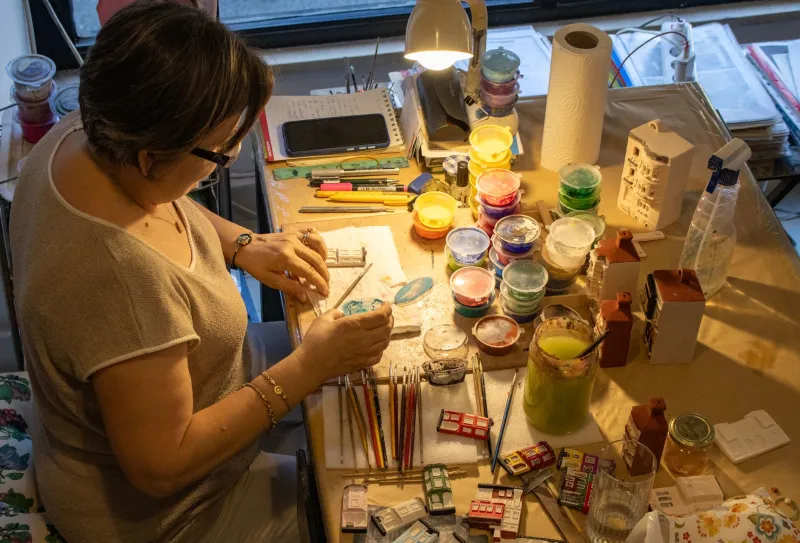
By mid-November 2026, the evenings have drawn in, the good lamp is earning its keep, and the grey pile is looking at you again. If the nearest proper game shop is a train ride and a bus replacement service away, the obvious solution is to bring the painting night to your own patch. Not a convention. Not a tournament. Just a room, a kettle and a few people who would rather talk about thin coats than watch telly.
That is the spirit behind a local paint club: unpainted potential, painted to life, one Tuesday at a time. The trick is to keep it simple enough that it actually happens.
Find a room that already wants to be a club
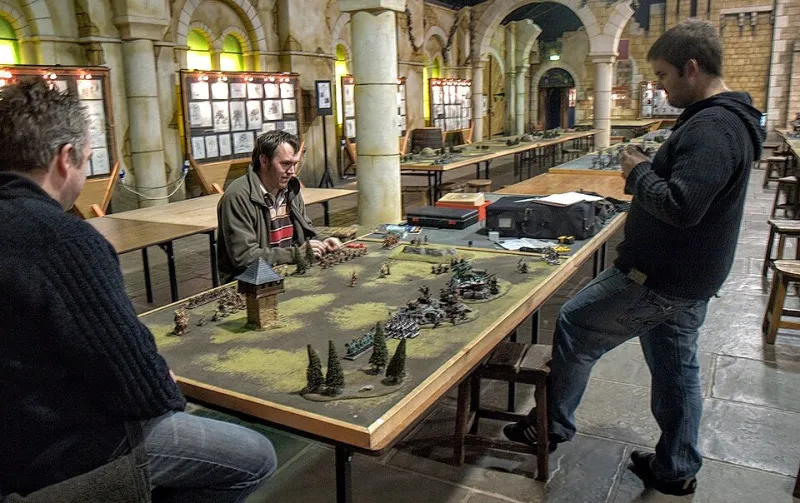
Start with venues that are used to hiring out space: village halls, church halls, community centres, scout huts and the back rooms of pubs. In the UK, a village hall might cost anywhere from £12 to £30 an hour depending on the area, while a pub back room may be free if everyone buys a drink and a bag of crisps. Neither is automatically better. Visit at the time you would actually meet, not at 10am on a sunny Saturday, and check the lighting. Fluorescent strip lights are fine for darts and terrible for judging miniature colour. You can fix that with a couple of daylight lamps, but it helps to know what you are walking into.
Ask about tables, chairs, a kettle, parking, step-free access and whether there is a store cupboard you can use. A regular monthly booking is easier to remember than a complicated rota, and a monthly rhythm gives you room to breathe. 'First Tuesday of the month' is a sentence people can repeat without checking their phone.
Keep the kit small enough to fit in a car boot
You do not need a shop's worth of scenery. You need enough infrastructure to make painting comfortable and tidying up quick. A sensible club box includes folding tables if the venue is short, a couple of wipe-clean table covers, extension leads, two or three daylight lamps, a tea urn or kettle, mugs, biscuits, bin bags, paper towels, water pots, a basic first aid kit, a sign-in sheet and a cash tin. Add a few spare brushes, a pot of primer and some kitchen roll for the person who has forgotten everything.
Ask everyone to bring their own figure, paints and brushes. The club provides the room, the light, the tea and the social glue. That keeps costs down and stops the kit from becoming one person's unpaid second job.
The boring bits: insurance, under-18s and not being an idiot
This is the part nobody wants to read, so keep it proportionate. If you are hiring a public room, the venue may ask for public liability insurance. Check what your venue requires before you book, and look at specialist hobby or small club policies rather than assuming your home insurance covers a group activity. A simple membership form with emergency contact details is sensible. So is a short risk assessment: fire exits, trailing cables, hot water, step-free access and a named first aider.
If under-18s are coming, decide clearly whether they are welcome and on what terms. Many clubs ask a parent or guardian to stay, or at least to provide written consent and contact details. Avoid one adult being alone with a child, keep a register, and look into DBS checks if you are running regular sessions for young people. You do not need to turn into a safeguarding department, but you do need to think it through before the first night rather than after. Keep contact details private, do not read them out in the group chat, and remember that GDPR applies to a paint club just as it does to anything else.
None of this is legal advice, and none of it needs to be scary. It is just the boring scaffolding that lets the fun bit stand up.
The first night should feel like a paint night, not a parish council meeting
A good first night has a shape, not a constitution. Doors open at 6:30pm for setup. At 7pm, do a ten-minute welcome: names, tea location, fire exits, and the one rule that matters — be decent to each other. Then paint. Around 8:30pm, pause for tea and a look at what people are working on. At 9:15pm, start tidying. Out by 9:30pm. No minutes. No agenda. No voting on the colour of the biscuit tin.
An easy icebreaker is to ask everyone to bring one figure and one thing they want to learn. Go round the room once, then pair people up to swap tips. If someone is willing, have a small demo table where they show a basecoat, a wash or a simple highlight. Keep it to fifteen minutes. The point is to get brushes moving, not to deliver a lecture.
A first-night project helps too: everyone basecoats one figure and puts a wash on it. Grey to less grey in ninety minutes. That gives strangers something to do with their hands and something to talk about that is not the weather.
Money, messages and keeping it going
Keep the money simple. Add up the room hire, tea and biscuits, then divide by the people who turn up. A £3 to £5 drop-in is normal in many parts of the UK, with the first session free if you can afford it. Keep a float, record what comes in, and do not let the club bank account become a mystery. If you are not ready for a bank account, use a spreadsheet and a tin.
For messages, a WhatsApp group and a monthly email are plenty. Rotate the tea rota. Ask for help with setup and tidy-up. Consistency beats scale: six people around two tables is a real club. You do not need a committee, a constitution or a logo. You need a repeated date, a room that works and someone willing to put the kettle on.
The grey pile is patient. A village hall, a pub back room or a community centre is closer than you think. Put a date in the calendar, book the room, and let the painting do the rest.