Resurrection Orders: A Field Guide to the Paint Pots You've Been Avoiding
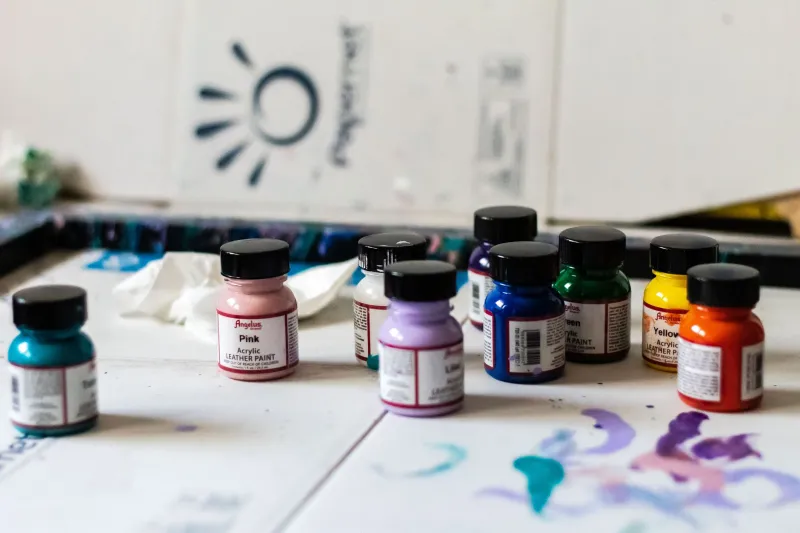
There is a particular kind of archaeology that happens in a UK hobby drawer around this time of year. The nights are long, the radiator is on, and you finally reach past the good paints to the back row: a Citadel pot with a lid that has become one with the rim, a Vallejo bottle with a suspicious dark stripe, an Army Painter dropper that clicks but doesn't quite deliver, and three unlabelled pots that might be grey, might be bone, and might be something you mixed in 2026 and forgot about.
Before you bin the lot or add another twelve pots to a shopping basket, it is worth running a proper triage. Acrylic paint is not a single substance. It is pigment, binder, medium and water, and those parts can fail in different ways. Some pots are genuinely recoverable. Some are not. The trick is learning to tell the difference without wasting an evening, a fiver or your patience.
First, Diagnose the Patient
Give each pot a fair hearing. Shake it, open it, look at it under a decent lamp, and stir it with a cocktail stick or a clean dropper tip. You are looking for three broad conditions.
Separated but liquid. The pigment has settled and the medium has risen, or you have a watery layer on top and a sludge below. This is normal for many acrylics, especially dropper bottles that have sat still. It is not automatically a death sentence.
Thick but usable. The paint has lost water and become paste-like. It may still have binder left. This is the pot that might respond to a little flow improver or acrylic medium, but it needs testing before it goes anywhere near a figure.
Dried or rubbery. There is a skin, a crust, a solid lump, or a smell that suggests the binder has had enough. If the paint cannot be stirred into an even consistency, it is not paint any more. It is decoration for the inside of the pot.
A quick word on skin: a thin dried layer on top is not the same as a dried pot. Lots of acrylics form a skin in storage. Lift it out with tweezers, don't stir it back in, and check what is underneath.
The Separation Ward
For a separated pot, start gently. Shake it like you mean it, then stir from the bottom up. Dropper bottles often need the tip removed and a good stir more than they need anything added. If the pigment and medium come back together into a smooth, even liquid, you are done. Make a swatch on a spare base or a piece of plastic card and let it dry. If it dries with a chalky edge, a glossy patch or a gritty texture, it is not ready for a display model.
If it is still split after shaking and stirring, a small drop of flow improver can help re-wet the pigment. Small means small: a drop, not a glug. Flow improver is not a magic reset button, and too much can turn a workable paint into a watery, low-coverage nuisance. Distilled water is a better bet than hard UK tap water if you are trying to revive a thick pot, but add it sparingly and stir thoroughly. You are trying to restore the paint's working consistency, not make soup.
The Crust Is Not a Cap
Do not treat a dried crust as a lid. If you peel it off and find solid paint underneath, stop. If you find liquid paint underneath, you have got lucky, but clean the rim and lid thread before closing it again. A pot that seals badly will be back in the same state in a few months.
For dropper bottles, check the nozzle. A clogged tip can make a healthy paint seem dead. Warm water, a pin and a bit of patience often sort it. Do not use boiling water on plastic bottles, and do not force a metal pin down a soft nozzle unless you enjoy replacing nozzles.
The Mystery Pot Problem
Unlabelled pots deserve a fair trial but not a long one. Swatch them on white card, let them dry, and write the colour and date on the card. If the swatch is smooth and covers well, give the pot a name. If it dries streaky, gritty or with a weird sheen, retire it. Mystery pots are how you end up painting a whole unit in a colour you cannot reproduce, which is a special kind of hobby sadness.
A good habit for 2026: keep a few blank swatch cards and a fine-liner near the paint drawer. Label the pot, label the card, and stop relying on memory. Your future self will thank you, probably while looking for a grey that is not actually grey.
The Economics of Letting Go
This is where UK hobby economics gets honest. A standard pot or dropper often costs somewhere between a few pounds and the price of a decent lunch. If reviving it needs a specialist medium, half an hour of stirring and a test swatch that still fails, you are not saving money. You are donating time to a pot that has already retired.
Dispose of dead acrylic responsibly. Do not pour it down the sink. Let it dry out fully, then check your local council's household waste guidance for dried paint. Many UK councils accept small amounts of dried water-based paint with general waste, but rules vary. If in doubt, ask before you bin it.
A Small Preventative Clinic
Most paint triage is avoidable. Store pots upright, clean the lid and thread before closing, and avoid thinning paint inside the pot. Keep paints away from radiators and sunny windowsills. In a damp flat, a sealed storage box with a couple of silica packs is not overkill; it is basic self-defence. If you decant into droppers, label them properly. If you mix a custom colour, write the recipe on the bottle. Future you is not a detective.
Finally, give yourself permission to retire the dead. The back row of the paint drawer is not a moral failing. It is just a small, crusted record of experiments, impulse buys and half-finished projects. Rescue what is worth rescuing, swatch what is uncertain, and bin what is finished. Then clear a bit of space for the paints that still have some grey matter left to give.