The Unplugged Palette: A Power-Cut Painting Kit for UK Storm Season
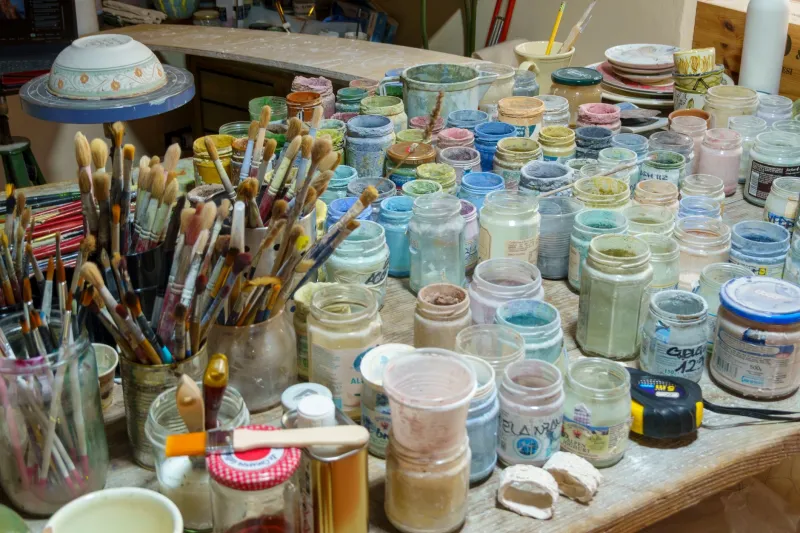
There is a particular sound to a UK storm night. The rain turns sideways, the wheelie bin does a lap of the garden, and somewhere down the road a substation gives up with a soft, expensive-sounding click. The kettle dies mid-boil. The router blinks its last. And your painting desk, usually a cheerful little island of light and half-finished space marines, becomes a dark rectangle covered in clutter.
But a power cut does not have to mean a hobby cut. With a bit of prep, you can keep painting through the worst of the weather — not with a generator and a hazmat suit, just a small kit that assumes the mains will occasionally flake out. Think of it as insurance for your grey pile. Slightly prepper-ish, deeply British, and entirely doable.
Start With the Lamp, Not the Loo Roll
The first thing to sort is light, and the answer is not a candle. Candles are atmospheric until you knock one onto a paint bottle, and the flicker is useless for judging colour. Go for battery-powered LEDs: a small desk lamp with a clamp, a rechargeable head torch, or a camping lantern with a warm-to-cool switch. Test them before storm season, not during it, and keep the charging cables in the same box as the lamps.
A head torch is secretly the best tool here. It follows your eyes, leaves both hands free, and makes brush control feel oddly surgical. Pair it with a low, diffuse lamp behind you and you have enough light to see what you are doing without turning the room into an interrogation scene. If you wear glasses, check the torch does not bounce glare off them. If you paint in a small flat, check the lamp does not clip onto the only bit of shelf you actually need.
Water, Without the Tap Ceremony
Most UK power cuts leave the taps working, but storm season can bring burst pipes, boiler failures and the general chaos of a rural supply. Even if water is fine, a dedicated painting water bottle saves you traipsing to the kitchen every ten minutes. Fill a couple of sealed jars or sports bottles before the weather turns. Keep one for rinsing and one for clean water, and label them if you are the sort of person who has ever drunk from the wrong mug.
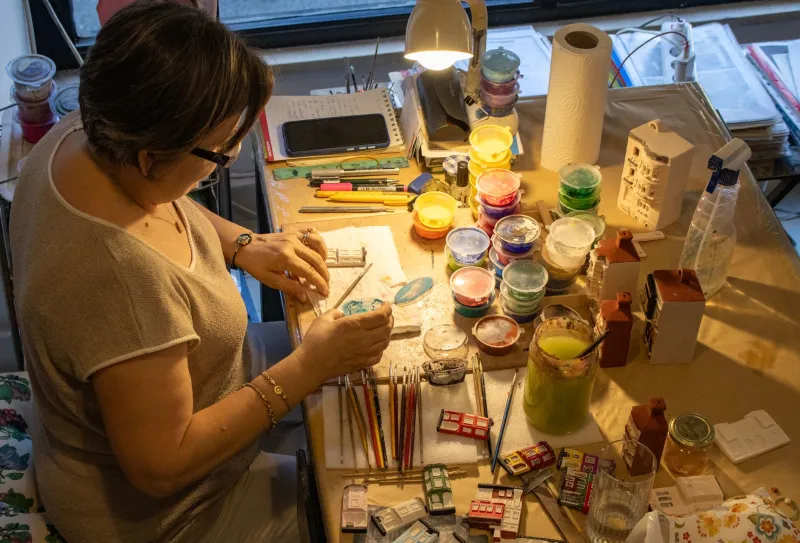
A wet palette is your friend here. It keeps acrylics workable for hours and means you are not constantly squeezing out fresh paint in bad light. If you do not use one, a ceramic tile or a plastic lid works fine. Add a roll of kitchen paper, a small spray bottle, and a bar of brush soap. No running water? Use the spray bottle to dampen paper towel and wipe brushes between colours. It is not ideal for a full clean-down, but it will get you through an evening.
Prep Is the Real Battery
The most useful thing you can do for storm-night painting happens before the storm. Clean mould lines, assemble, and prime a small batch of figures while the weather is calm and the daylight is decent. A primed figure under a battery lamp is a project. An unprimed figure under a battery lamp is a guilt object.
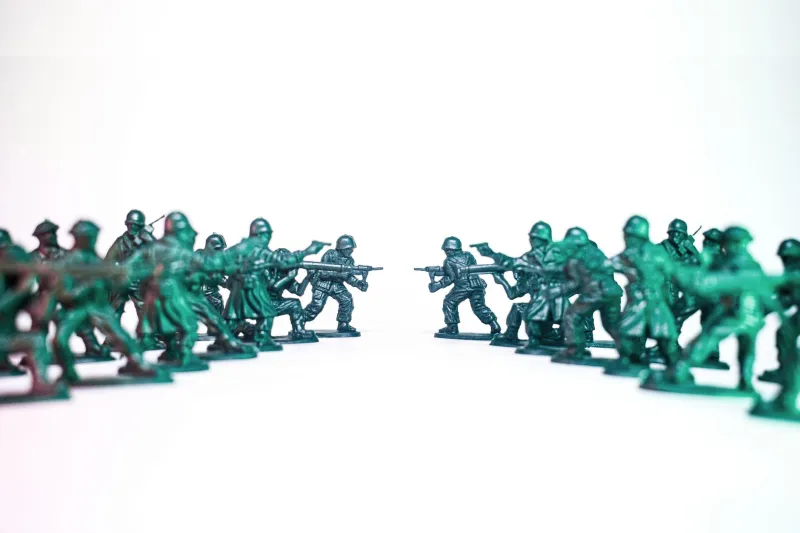
Keep a tray of ready-to-paint miniatures near the desk: one character, a couple of rank-and-file models, maybe a piece of scenery. Basecoat the main colours if you can. That way, when the power goes, you are not starting from zero. You are just continuing. And if the storm lasts three days, you have a queue rather than a crisis.
A Brush-Only Toolkit
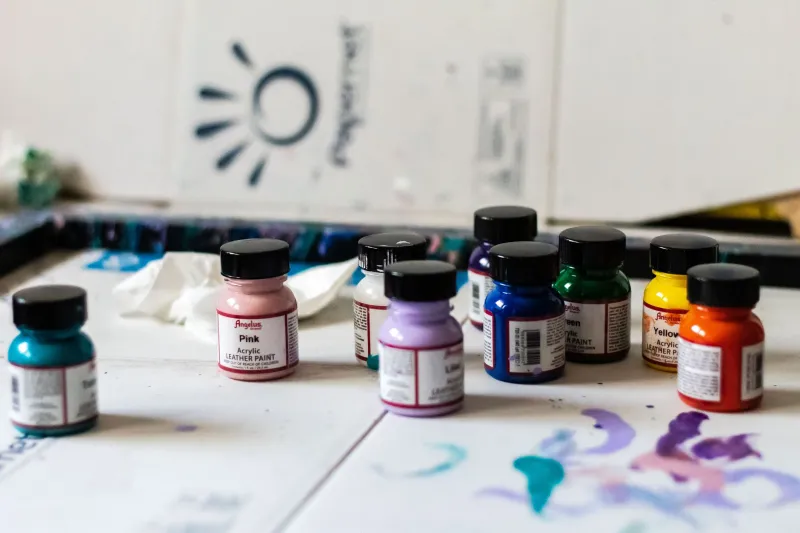
No airbrush, no ultrasonic cleaner, no app. The power-cut kit is deliberately primitive: two or three brushes, a handful of paints, a palette, a water pot, and a cloth. Put it in a small Really Useful Box or a tin. Keep a printed colour reference or a painted test model in there too, because your phone battery is precious and screens are not the point.
This is also a good excuse to paint with a limited palette. Pick five or six colours and see what happens. Restrictions breed creativity, and they stop you from spending forty minutes deciding between two nearly identical browns while the fridge defrosts.
Techniques That Suit a Torchlit Brain
Fine detail is hard in low light. Save the eyeball work for daylight. Storm sessions are better for layering, glazing, stippling, and broad edge highlights. These are forgiving techniques. They reward patience rather than pinpoint accuracy, and they look good even when your lamp is clamped to a chair back at a slightly odd angle.
Try a single figure rather than a batch. Batch painting is efficient, but it is also repetitive, and repetition is tiring when you are cold and the internet is down. One model, one stage at a time, is oddly calming. You might even finish something.
The Kettle Problem
No power means no kettle, and for many painters that is the real emergency. A flask of hot water or tea solves it. Fill it before the storm hits, wrap it in a towel, and accept that the second cup will be lukewarm. Keep a few biscuits in the kit. Morale is a hobby supply.
If it is genuinely cold, do not paint in fingerless gloves unless you enjoy dropping tiny components. Warm the room with blankets, keep the painting session short, and move to a smaller, easier model. There is no prize for suffering.
The Unexpected Gift of the Dark
Without sockets, screens, or the low-level hum of domestic life, painting becomes very quiet. That can be unnerving for about ten minutes, then strangely good. You cannot check your phone. You cannot put on a YouTube tutorial. You can only look at the figure, load the brush, and make a mark. The focus is not a productivity hack; it is just what happens when the distractions are removed.
Use it gently. Paint for an hour, then stop. Eye strain is real, and bad light is bad light. The goal is to come out of the storm with a little progress and no headaches, not to finish an entire army by candlelight like some grimdark Victorian.
Pack It, Forget It, Thank Yourself Later
A power-cut painting kit is not about surviving the apocalypse. It is about removing one small excuse from the pile. Keep it in a box, check the batteries in autumn, and let it sit there until the wind starts howling. Then make a flask, clip on a lamp, and give your grey matter something to do while the rest of the country refreshes the power cut map.
Grey Matter Figures is built on unpainted potential, and potential does not need a plug socket. It just needs a brush, a bit of light, and a stubborn refusal to let a named storm win.